
Selling in 2025? Then You Need to Know What Stage Your Market’s In.
Let’s get real for a second. It’s not 2015 anymore. Your audience is more informed, more skeptical, and way more saturated than ever before. The old “We’re the best!” messaging doesn’t fly in a world where every scroll is a pitch slap.
So how do you stay relevant and true to your voice? Think of competitive positioning.
It starts with understanding where your market is on the sophistication scale—and how to evolve your message accordingly.
As a cub copywriter I struggled a lot with “that’s what everyone else is doing so to keep up, our copy should be the same”. I questioned the logic behind it. So I thought there must be a better way. I wanted to understand what’s going on in the heads of ideal clients so I can align my message. To actually take them by the hand and help them realize our solution is exactly what they need.
The Market Sophistication Breakthrough
In my search for a better way, I came across the book Breakthrough Advertising by Eugene Shwartz. This book dropped in 1966 and today, its price says it all. It is so valuable it costs $449. It’s a mind-blowing strategical breakdown of the market sophistication. Aka How to Say the Right Thing at the Right Time (Without Sounding Like a Copybot).
Welcome to understanding your market awareness. In his book, Eugene Schwartz’s identified 5 stages extremely relevant even today. His framework will help you:
- Avoid sounding like everyone else.
- Identify what your audience already knows.
- Position your offer with clarity and confidence.
Let’s break it down—Copy Virtue style.
1. Stage One – Be the First to Say It Loud (and Clear)
Market Mood: This is every marketer’s dream scenario. The audience is curious but unaware. They’ve never heard of this solution before. It is a completely untapped market.
Schwartz noted that the biggest mistake marketers make at this stage is getting in their own way with overly complex or clever messaging. When the market is unsophisticated, simple and direct messaging works best. You can make straightforward claims about what your product does and what benefits it provides, and prospects will be receptive because they haven’t heard it all before.
But this doen’t last long as competitors flood the market to capture some the opportunity you’ve identified.
Your Message: Bold and straightforward. Name the problem. Introduce the solution.
Think: “We invented it. Here’s what it does.”
Example: When Peloton first hit the market, they didn’t sell features—they sold possibility. A bike that streams classes to your home? Game-changing.
Your Move:
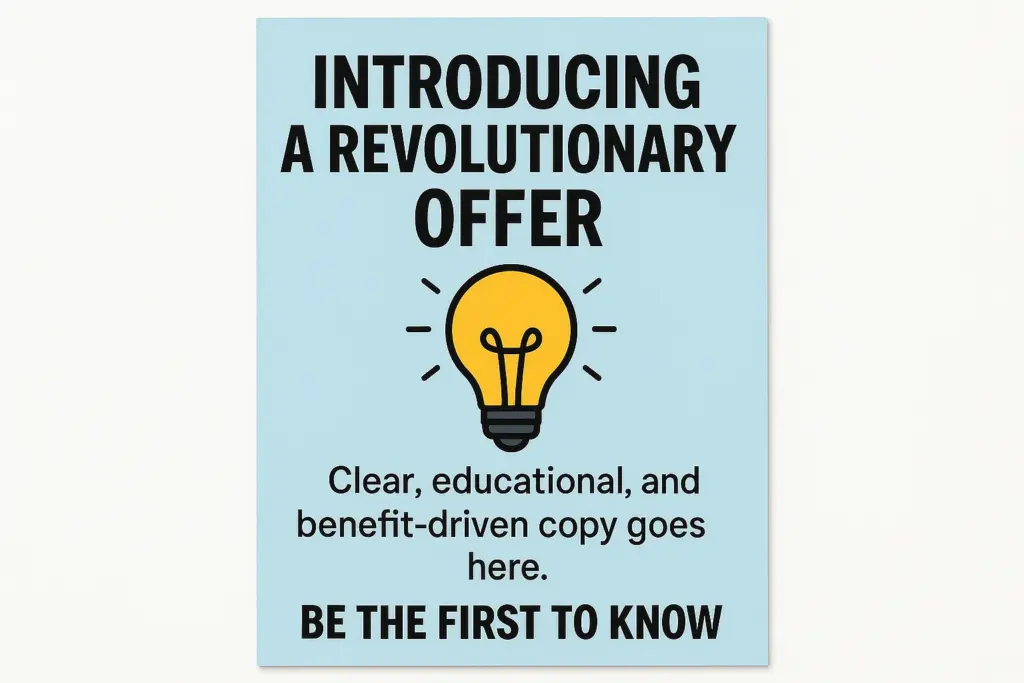
Position your offer as revolutionary.
Keep copy clear, educational, and benefit-driven.
You’re not selling against anything yet—you’re just being first.
2. Stage Two – Competition Enters. Now What?
Market Mood: Curious and comparing. Other brands have entered the space.
As competitors enter your market, the audience becomes slightly more sophisticated. They’ve now heard similar claims from multiple sources, so your original messaging may start to lose its impact. At this stage, you need to make your claims stronger, more specific, and more compelling than your competitors. Eugene advices “The key is to push your direct claims as far as truthfully possible.”
Your Message: Differentiate. Emphasize what makes you unique.
Think: “Ours is faster / better / easier.”
Example: As Peloton gained popularity, competitors like Echelon and NordicTrack emerged. Peloton leaned into lifestyle branding—community, leadership, instructors. They sold the experience, not just the product.

Your Move:
Don’t just say what it is.
Say why yours is better.
Sharpen your positioning, focus on your edge, and infuse brand personality.
3. Stage Three – The Market Is Crowded. The Message Needs Depth.
Market Mood: Skeptical. They’ve seen it all before.
They are thinking “Yeah, right” and looking for reasons to dismiss your message. They’ve been burned by overpromising marketers or have simply heard similar claims so many times that they’ve lost their impact.
This is where Schwartz introduced the concept of the “new mechanism”—a new way of achieving the same desired outcome. Instead of focusing on what your product does (which the market already knows), you focus on how it does it differently. The emphasis shifts from the end result to the unique method or process.
Your Message: Expand. Add nuance. Prove you’re not a copycat.
Think: “Here’s how we actually deliver results.”
Example: Skincare brands are here. There. Everywhere. Glossier survived the noise by owning a soft power narrative: minimal, real skin, real people. Their messaging leaned into authenticity and gentle rebellion against the 10-step routines.
Your Move:
Humanize your brand.
Back up your claims.
Focus on values, stories, and community. This is where human-centric, empathy-led copy shines.

4. Stage Four – They’ve Heard It All. Show the Philosophy Behind the Product.
Market Mood: Tired. Jaded. Looking for meaning.
Just as direct claims eventually lose their power, new mechanisms also become familiar to sophisticated markets. At this stage, you need to elaborate on your mechanism, making it faster, easier, more reliable, or more comprehensive than competing mechanisms.
Your Message: Invite them into your mission. Shift from “what” to “why.”
Think: “We’re not just selling this. We believe in something bigger.”
Example: Patagonia didn’t just sell jackets—they sold activism. Purpose-led messaging that aligned with climate-conscious consumers who’d tuned out empty greenwashing.

Your Move:
Share the deeper reason your brand exists.
Root your copy in shared values.
Talk like a partner, not a pitch.
5. Stage Five – Your Market Is Hyper-Saturated. Now What?
Market Mood: Exhausted. Apathetic. Nothing surprises them anymore.
In the final stage of market sophistication, the audience has become so jaded that they don’t want to hear about what your product does, how it does it, or what it can do for them. They’ve heard it all before and have thrown you and your ads “in the trash,” as Schwartz colorfully put it.
The goal now is to tell a story that readers could identify with, building trust and connection that would eventually lead to sales.
You’re not trying to convince prospects that your product is better; you’re trying to help them identify with your brand, your story, or your values.
Your Message: Disrupt, entertain, or polarize. Use bold creativity. Tell a motivating story.
Think: “Forget what you thought you knew. We’re not like them.”
Example: Liquid Death took on the bottled water market—a space no one thought was brandable—and made it funny, rebellious, and unforgettable. They didn’t just enter the conversation. They flipped the table.
Your Move:
Be unapologetically different.
Use humor, irony, or bold visuals.
Spark emotion—not just interest.

The Bottom Line: You Can’t Say the Same Thing Forever
If your sales have plateaued or your message feels “meh,” it’s probably because your market evolved—and your copy didn’t.
Brands that last? They don’t just talk louder. They listen deeper. They meet their audience where they are now—and speak to what they’re truly seeking.
Want help zhuzhing up your brand message for your market stage? Let’s make sure your words work as hard as you do.

Audit. Align. Amplify
Hi, I’m Darina—a heart-centered, multi-talented brand voice strategist and copywriter turning complexity into clarity.
I help virtuemakers like you audit, align, and amplify your message & copy—crafting words that resonate deeply, reflect your values, and help you make a lasting impact.
You Bring the Spark—I’ll Help It Shine Brighter.
Behind The Scenes: The Making of This Post (And Why You Should Share It)
✅ 4 hours of researching, extracting the gems, planning, outlining, writing, editing, testing and publishing.
✅ 47 cups of coffee (okay, maybe 2, but it felt like 47).
✅ 1 mission: To make this post so valuable, you’d want to read it twice.
Every analogy, every tip, every link was chosen with you in mind. If it resonated with you, then mission accomplished.
4 Reasons Why People Who Get It Share Posts
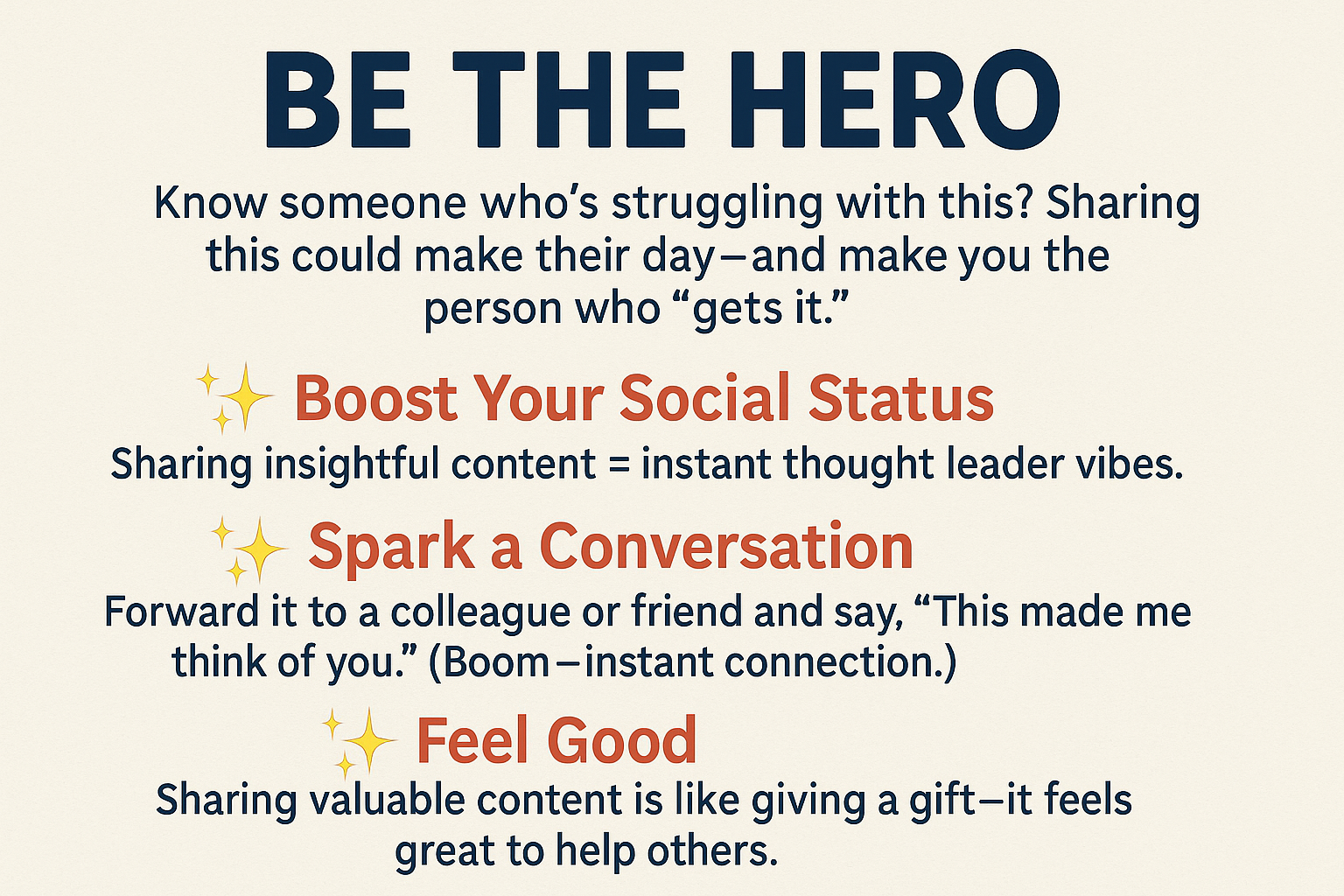
Here’s how to become the Hero
👉 Share it on the dark social 😉 (aka, copy the link and send it directly to them via DM, email, or carrier pigeon).
👉 Or hit one of the shiny social icons below and spread the love.
Because the best ideas are meant to be shared—not lost in the noise.
Design Soulful Luxury With Purpose
The checklist to craft offers that today’s explorers crave, remember, and rave about.
Legacy-level brands don’t happen overnight.
Start where it counts — with a values-led offer audit.